
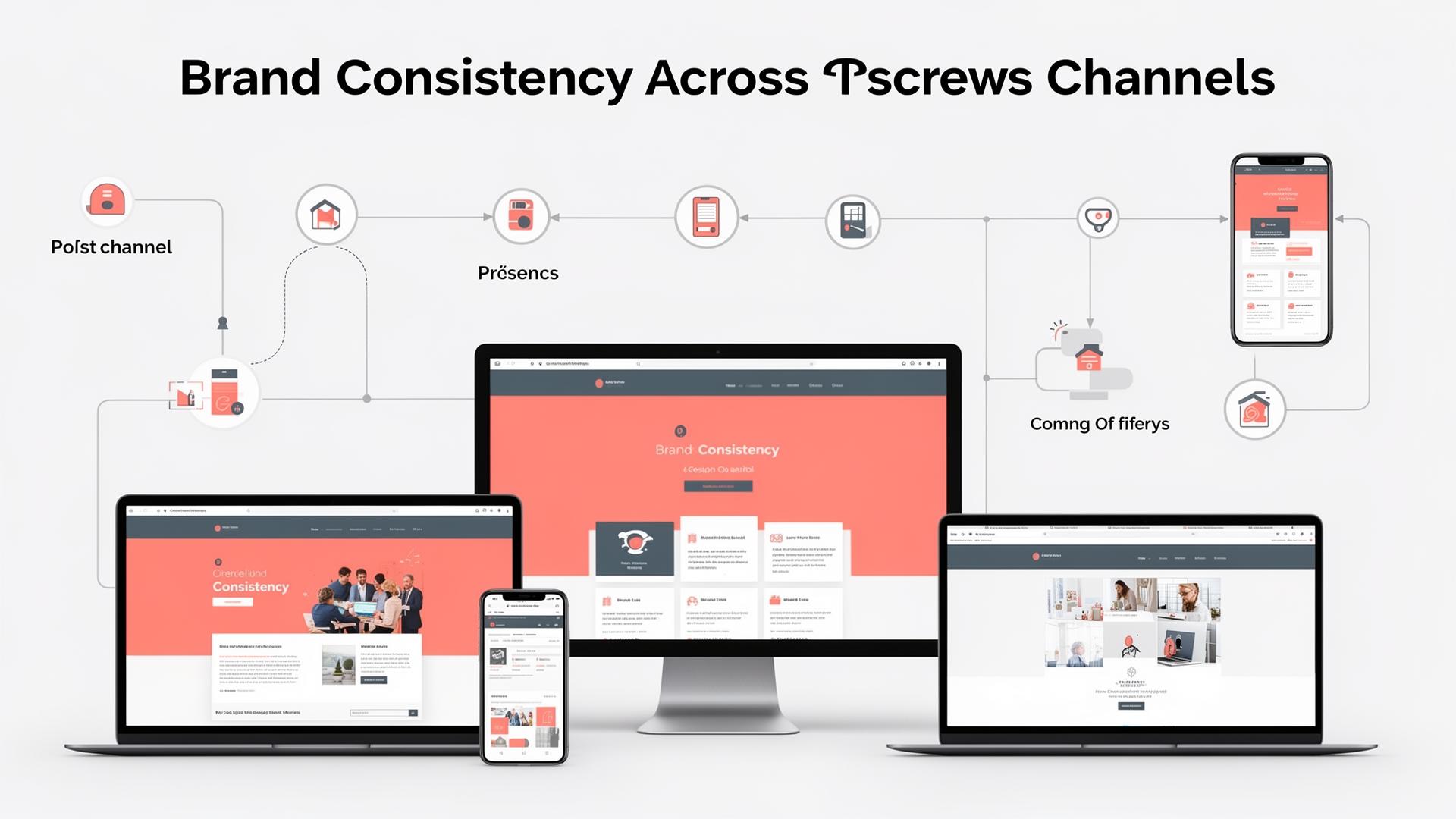
In a multi-channel world, your customers encounter your brand in dozens of different contexts. Consistency across all these touchpoints is what builds recognition and trust.
According to Lucidpress (now Marq) research, brand consistency can increase revenue by up to 23%. Meanwhile, McKinsey & Company found that consistency is one of the three most important factors in customer satisfaction.
Why Consistency Matters
Recognition
Consistent brands are recognizable brands. Google's research on brand perception shows that visual consistency increases brand recall by up to 80%. When your visual identity and messaging are cohesive, customers can identify you instantly.
Trust
Inconsistency creates confusion and erodes trust. Edelman's Trust Barometer consistently shows that brand consistency directly correlates with consumer trust. A unified brand signals professionalism and reliability.
Efficiency
With clear brand guidelines, your team can create content faster without second-guessing every decision. Content Marketing Institute research shows that brands with documented guidelines produce content 3x faster.
Key Areas for Consistency
Visual Identity
- Logo usage and placement — follow your logo guidelines
- Color palette application — maintain color psychology consistency
- Typography hierarchy
- Photography and illustration style
- Iconography
Voice and Tone
- Writing style (formal vs. casual)
- Key messages and taglines
- Vocabulary and terminology
- Personality traits that define your brand
Customer Experience
- Service standards
- Communication style and response times
- Packaging and unboxing experience
- Post-purchase follow-up
Creating Brand Guidelines
According to Frontify's Brand Management Report, comprehensive brand guidelines should include:
- Brand Story - Mission, vision, values, and positioning
- Logo Guidelines - Usage rules, spacing, minimum sizes, what not to do
- Color Specifications - Hex codes, RGB, CMYK, and Pantone values
- Typography - Primary and secondary fonts, hierarchy, web fonts
- Imagery Style - Photography direction, illustration style, iconography
- Voice Guidelines - Tone, vocabulary, dos and don'ts, example copy
- Templates - Social media, presentations, emails, business cards
Tools for Maintaining Consistency
- Centralized asset libraries - Dropbox, Google Drive, or Brandfolder
- Template systems - Canva for Teams, Figma
- Brand management platforms - Frontify, Bynder
- Regular audits and reviews - Quarterly brand consistency checks
Digital Brand Consistency
Google Search Central emphasizes the importance of consistent brand presentation for SEO. Your brand name, logo, and messaging should be identical across:
- Your website and all landing pages
- Social media profiles (LinkedIn, Twitter, Instagram, etc.)
- Email marketing and newsletters
- Third-party listings and directories
- App stores and software marketplaces
Conclusion
Brand consistency isn't about rigid uniformity—it's about creating a recognizable, trustworthy presence that customers can rely on. Start with clear guidelines, give your team the right tools, and conduct regular audits to ensure alignment.
As discussed in Why Brand Identity Matters for Startups, every touchpoint is an opportunity to reinforce your brand.
Ready to build a consistent brand foundation? Get started with BrandScoop and download your complete brand guidelines in minutes.
*Related reading: How to Choose the Perfect Business Name — Start with a name that works consistently everywhere.*